


Italian Pipe Makers
Italy boasts a long tradition of pipe making, with Italian pipe makers benefiting from the quality briar that grows in the Mediterranean.
Who are the most famous Italian pipe makers?
Among the most famous Italian pipe makers are Savinelli, Castello, Brebbia, Ardor, Caminetto, Radice, Ascorti, Mastro de Paja, Ser Jacopo, Il Ceppo, Don Carlos, Rinaldo, L'Anatra, and Claudio Cavicchi.
Which Italian pipe brand is the oldest?
It depends on whether we count the establishment of the brand, the shop, or the actual manufactory. The history of Savinelli begins with the opening of the Milan shop in 1876, while the Rovera family connects the production of Ardor pipes with the year 1911. Modern manufactories like Castello, Brebbia, and Savinelli significantly developed after World War II.
What is the Pesaro School of Pipes?
The Pesaro School or Scuola di Pesaro refers to a group of pipe makers and pipe workshops that emerged from the early 1970s in Pesaro and its surroundings. A key figure was Giancarlo Guidi, and among the most famous brands of this tradition are Mastro de Paja, Ser Jacopo, Il Ceppo, Don Carlos, Rinaldo, and L'Anatra.
What are the characteristics of Italian pipes?
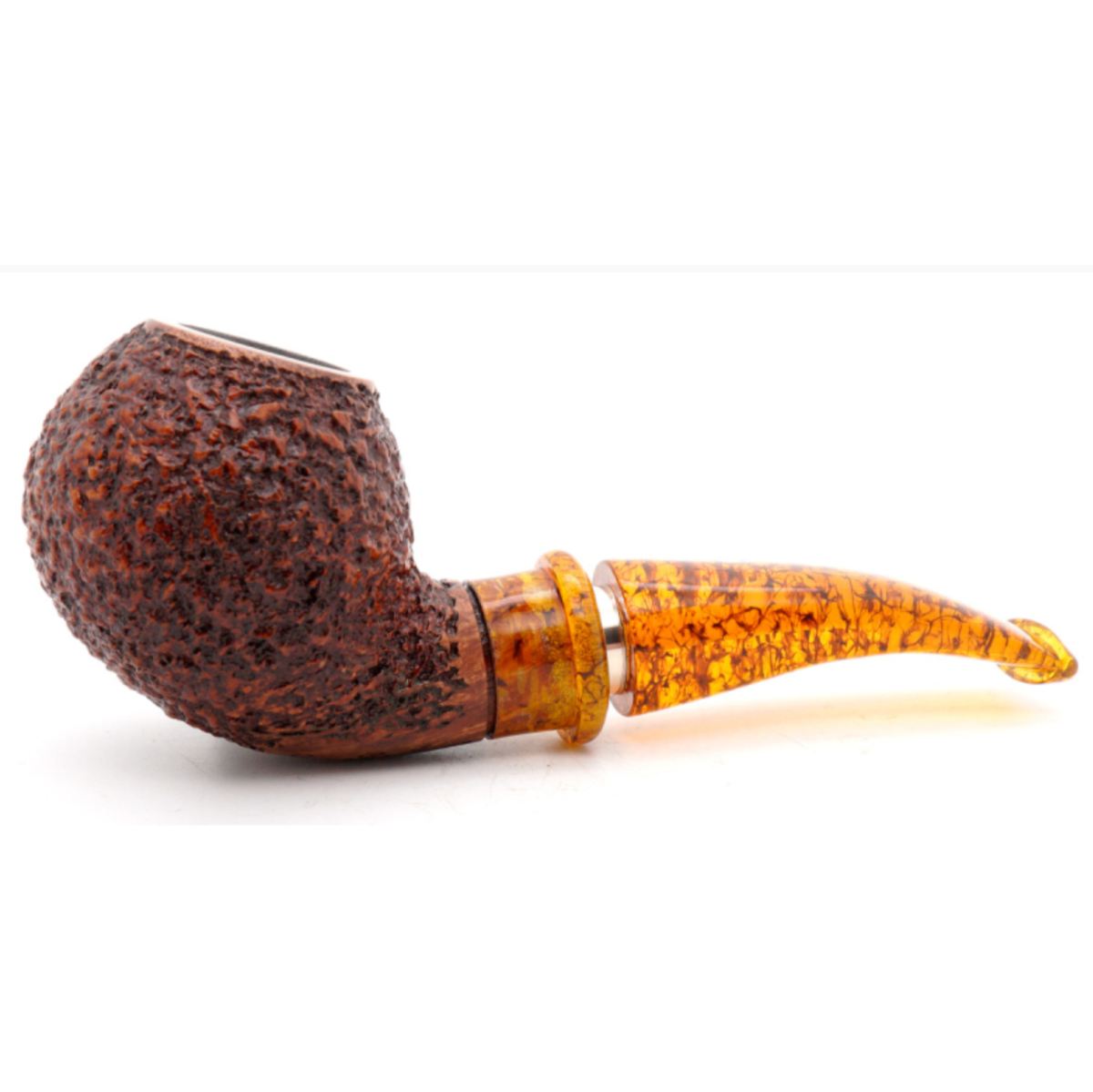
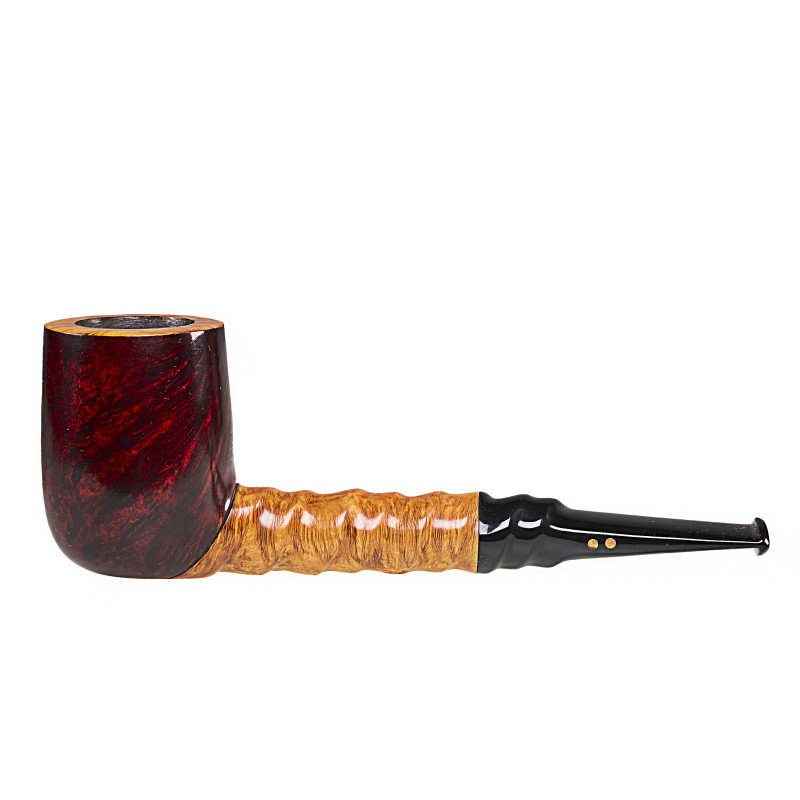
Italian pipes often combine classic European shapes with more pronounced proportions, respect for the grain of the briar, and creative finishes. Rustic finishes, sandblasting, silver rings, horn, or exotic woods are common among artisanal brands.
How are Castello, Caminetto, Radice, and Ascorti related?
Luigi Radice and Giuseppe “Peppino” Ascorti worked in the workshop of Castello by Carlo Scotti. In 1968, they jointly founded the brand Caminetto. After its dissolution in the late 1970s, the independent brands Radice and Ascorti emerged.
Why are Italian pipes popular among collectors?
In addition to the quality of briar and craftsmanship, the individual style of each manufacturer plays a significant role. For brands like Castello, Radice, Ser Jacopo, or independent pipe makers, each piece can be a considerable original and at the same time part of a well-documented pipe-making tradition.