

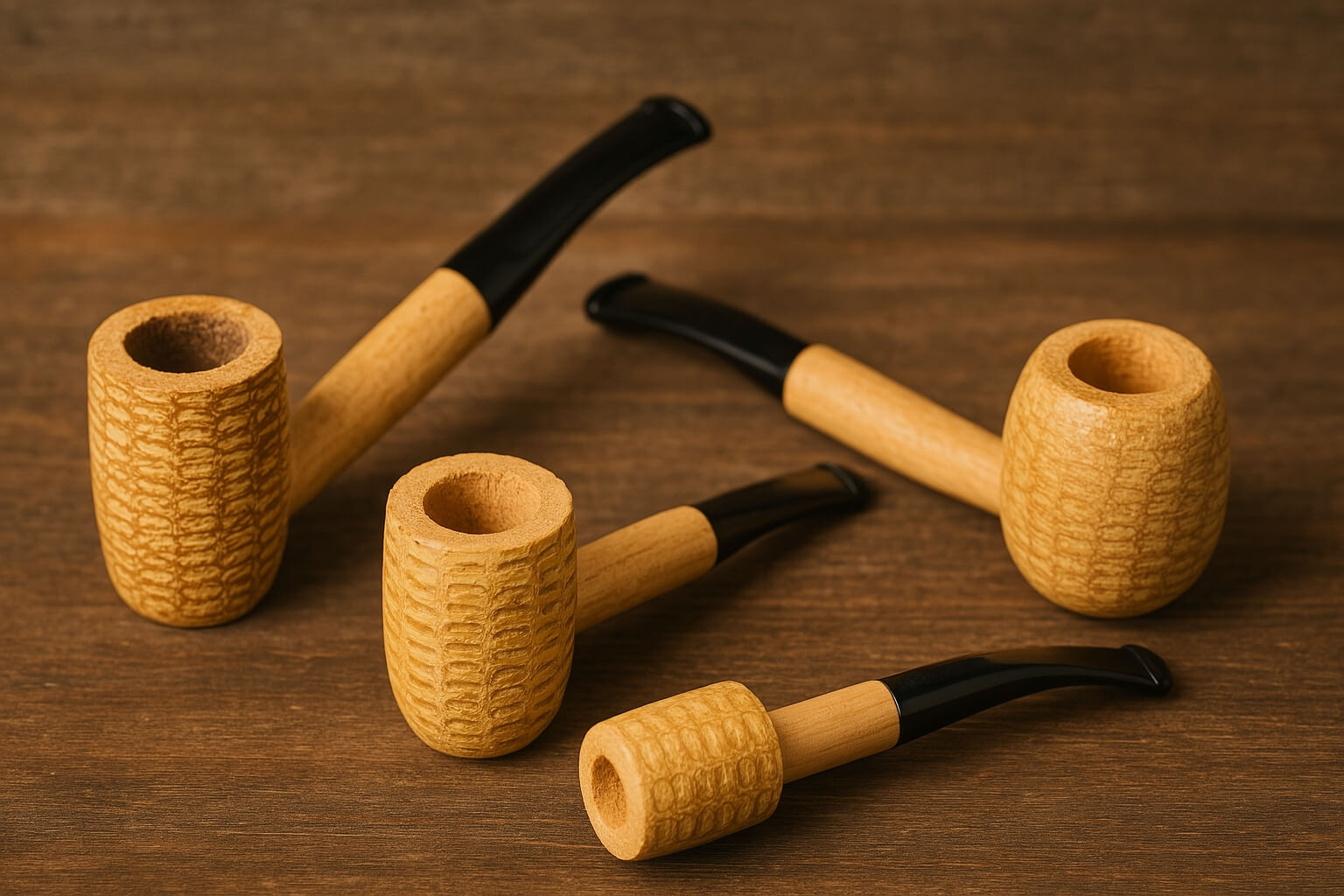


Corncob pipes (commonly known as corn pipes) - introduction, history, production
Discover the intriguing history and production method of corn cob pipes – from their inception in the 19th century in Missouri to the present day. Popular models from the most significant manufacturer Missouri Merschaum.
Corncob pipes are valued for their availability, simplicity, and surprisingly interesting experiences. An advantage is that new corncobs do not need to be cased and do not absorb the taste of tobacco, allowing different tobaccos to be easily swapped and various new tobacco samples to be tried. Many smokers prefer them for Latakia or Kentucky tobaccos.
History of corncob pipes
The history of their production dates back deep into the 19th century when they began to be manufactured in the United States. However, their actual history began much earlier, as corn was among the favorite plants of the Native Americans, who also enjoyed smoking it.
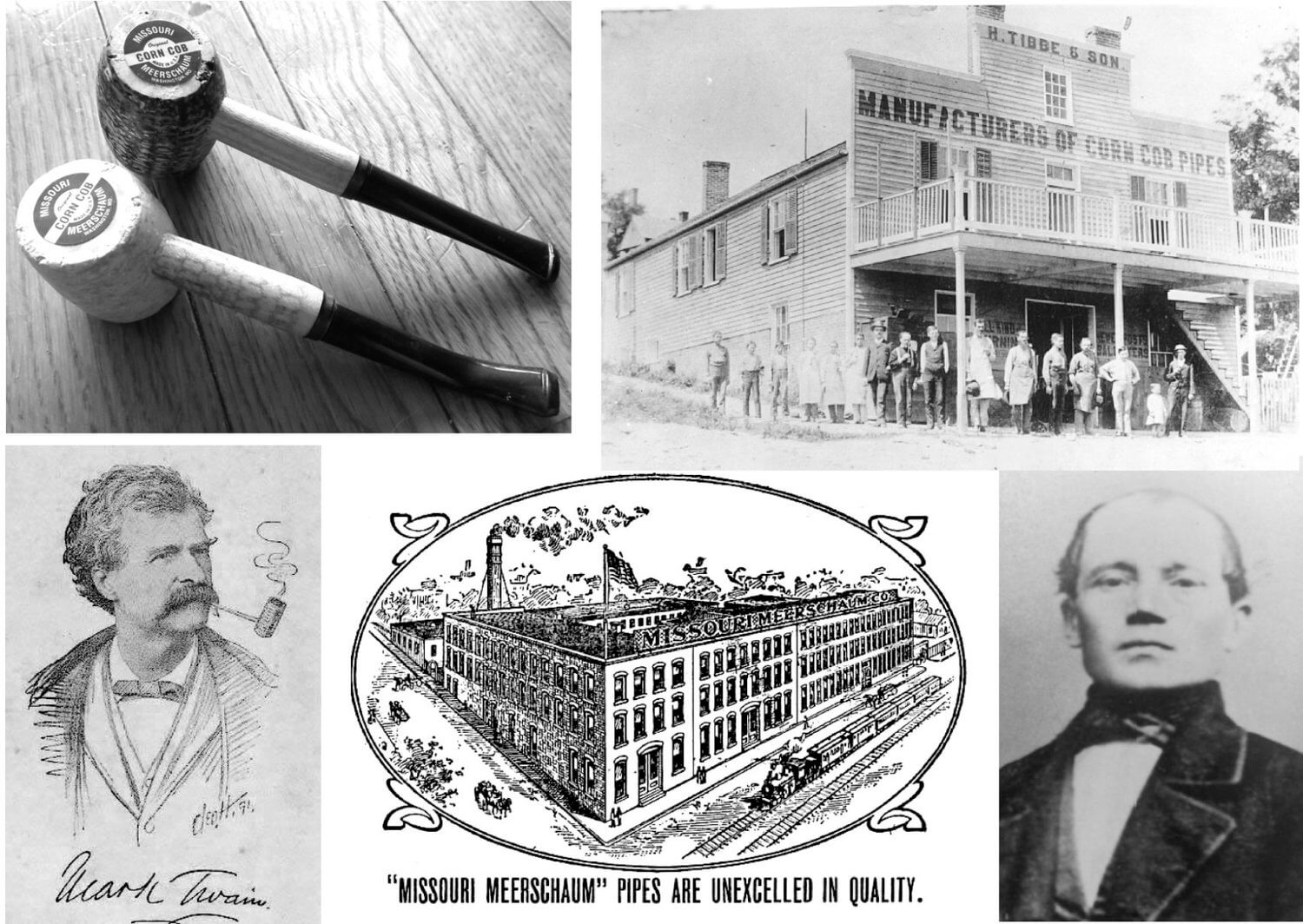
The production of corncob pipes is closely linked to the town of Washington in the state of Missouri, where Henry Tibbe, an immigrant from the Netherlands and owner of a small woodworking factory, began experimenting with the production of pipes from corncobs in 1869 after a farmer approached him with a request to make a corncob pipe. Tibbe discovered that the corncob is an ideal material for pipe making because it offers good moisture absorption and provides a cool, dry smoke. The produced pipes began to sell so quickly that they soon became the main product of Tibbe's company, despite burning relatively quickly.
Henry Tibbe, however, devised a special process that increased their strength and fire resistance using burnt plaster. Later, he patented this process and founded Missouri Meerschaum Company, which still operates today as the oldest and largest manufacturer of corncob pipes in the world.
Production of corncob pipes
The production of corncob pipes is still relatively simple today, but it requires careful selection of materials and precise processing. Corncobs are first carefully dried (interestingly, corncobs are left to cure for two years on the third floor of the factory to dry and harden) and then processed. A chamber is drilled into the cob for tobacco (sometimes completely through and sealed with a wooden plug), and a wooden stem (most often made of maple) is inserted, often finished with a plastic tip.
If you are interested in a factory tour, check out the following interesting video on the production of corncob pipes in Missouri:
Besides Missouri Meerschaum, there are other smaller manufacturers, but this traditional American manufacturer still dominates the market today and produces a wide range of models from basic inexpensive "ten-dollar" unfiltered pipes like the Legend or Washington, to very popular filtered models like Country Gentleman and Diplomat. A true legend is the pipe MacArthur, known for its distinctive, elongated head shape. Missouri Meerschaum also offers limited edition collectible pipes, often made for special occasions and celebrations, which are valued for their uniqueness and collectible worth. They are not afraid of innovation either, as evidenced by the series of corncobs "Cornabis", which responds to the legalization of marijuana in many states in the USA.
In conclusion
Corncobs have over time become sought after for their low price and interesting properties, not only among ordinary smokers but also among famous personalities. For example, the aforementioned General Douglas MacArthur had a corncob pipe as his trademark, and writer Mark Twain liked corncob pipes for their practicality and distinctive appearance. By the way, if you would like to learn more about General MacArthur and his pipes, I recommend this excellent article "The History of the MacArthur Corn Cob Pipe" (in English).
Corncob pipes still represent a connection of history, practicality, and are popular among both beginners and experienced smokers who appreciate their unique character and authentic smoking experience.
You can find the offer of corncob pipes on the portal pipeclub.eu here.