

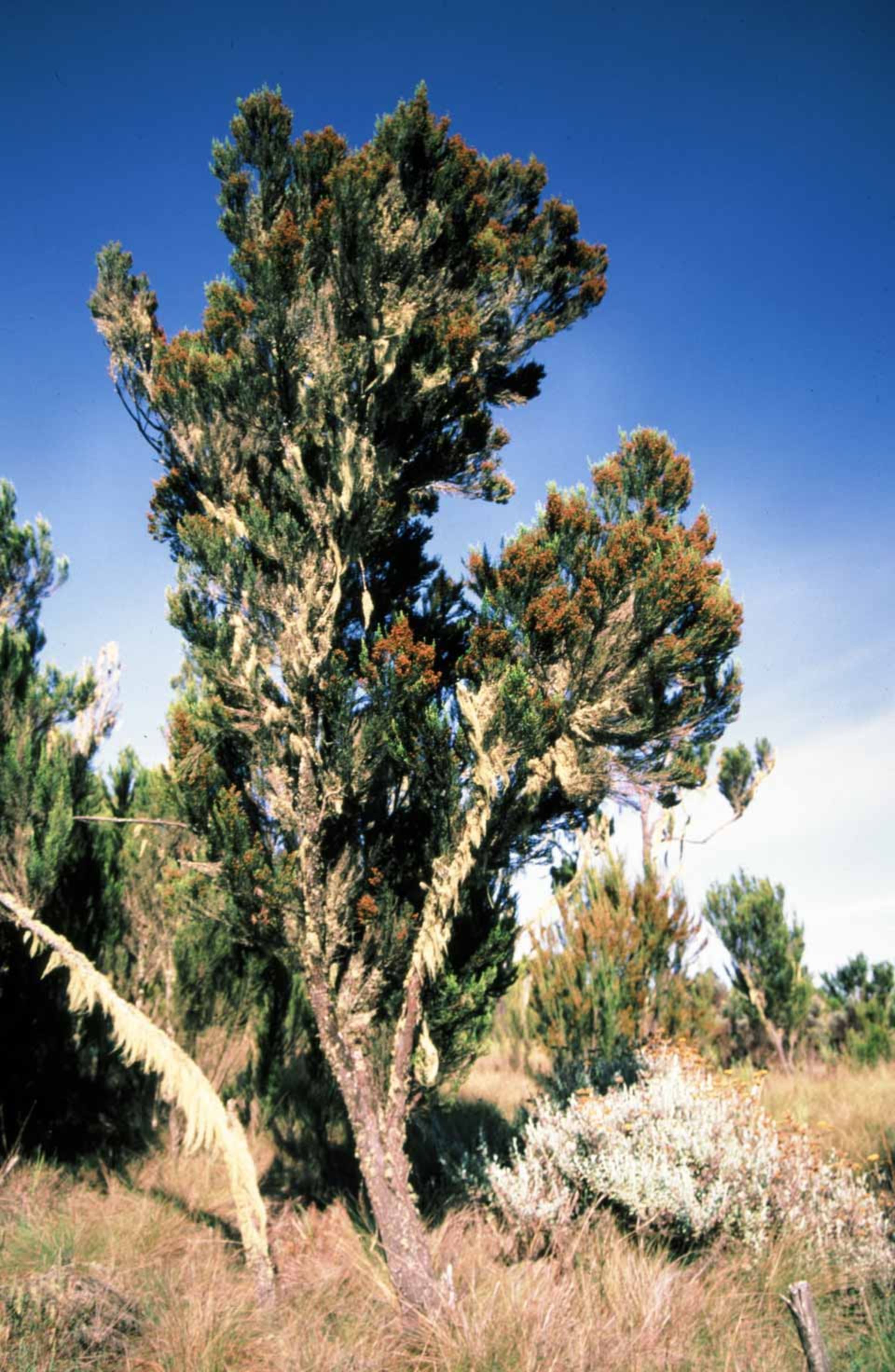
Briar wood and its preparation
Briar, wood from the shrub Erica arborea (tree heath), obtained from hard root growths, revolutionized pipe manufacturing in the mid-19th century. Before its widespread use, pipes were commonly made from less durable materials such as meerschaum, clay, or various types of wood, including cherry or olive. Heath grows slowly and steadily in the sun-baked, poor soil of the Mediterranean, taking nearly three decades for the root system to mature sufficiently for harvesting.
The unique appeal of briar for pipe making stems from its fire resistance, allowing it to withstand temperatures exceeding 400 degrees Celsius, as well as from a combination of density and porosity. The hardness associated with the high density of the wood is crucial, as it enables the wood to absorb moisture and tars from tobacco, resulting in a cooler and drier smoke. Once the roots are manually dug up, they undergo careful preparation, starting with boiling in a water bath to remove any remaining sap and resin.
After boiling, the blocks are placed in ovens, where they must dry for sometimes over a year to reach optimal moisture before pipe production can begin. The quality of the finished pipe is often judged by the consistency and pattern formed by the growth rings. Popular patterns include flame structure (expanding fibers upwards), straight structure (parallel lines), and bird's eye (clusters of small dark spots). Because briar grows underground, finding top-quality blocks without knots and small holes caused by air pockets or impurities is a sign of high-quality wood.